Showing posts with label oil. Show all posts

Monday, 4 May 2020

Economic Strains from Covid 19


Liquid is Key

We are over two months into the crisis in Europe. One thing this has pointed out to me, that I remember when I finished school in Ireland in 2009, at the height of the euro-zone crisis. I looked at a brand new petrol station having the pumps taken away, and over the street next to it, a boarded up coffee shop. It doesn't matter the situation, cash is king! 


A financial crisis is like a heart attack. It hits the pump of the economy hard and the organs, as the blood stops pumping cannot support the body, as they do not have sufficient liquidity. The defibrillator is the central bank, which is the key to getting trust restored and applying the voltage funding to kick start the heart.

A depression on the other hand, is a much more difficult patient. Serious organ failure, complimented with underlying health conditions; a quadruple blowout. There is no clear solution to get this patient out of the coma. More important, is how the economy is sustained during coma and its slow recovery; as it is very easy for the large corporates to eat up their solvent but less liquid competitors.

There are right now, three tiers of balance sheet a business could be.
  1. Solid cash generation on hand, few illiquid assets i.e. tech companies.
  2. Easy access to capital markets, with a higher cost of financing due to the demand.
  3. Cannot access credit and capital impairment probability is high. SMEs and capital-intensive industry.
The final pillar will be the major part of the life support. The ECB and Fed injected over $3 trillion between themselves, with bond buying. However, this is a macro move. Governments have taken their turn in supporting their central banks, but must step in quickly, consistently and effectively, to support the small domestic economy. Caution should be exercised carefully in the aid to large industry, as it could be throwing Semtex at itself or rattling the sabre of next door neighbours. 

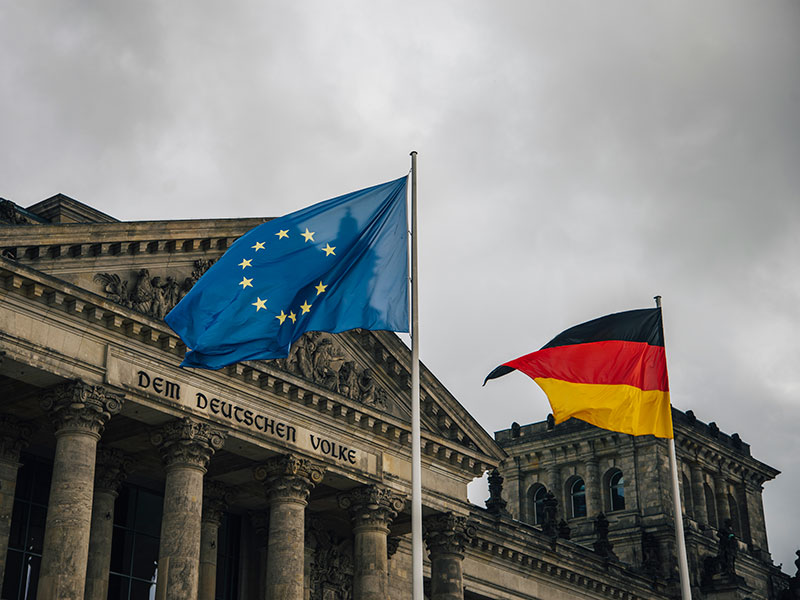
Germany is facing serious scrutiny of unfair advantage. As the EU relaxed its law on state aid due to Covid-19, the German ministry filed the largest proportion of state-aid claims to the EU, as it helps to prop up big industries, most notably the airline industry. Though, this has hit hard with less wealthy EU member states left to see their home industries put at a negative advantage.
Cheaper than Water

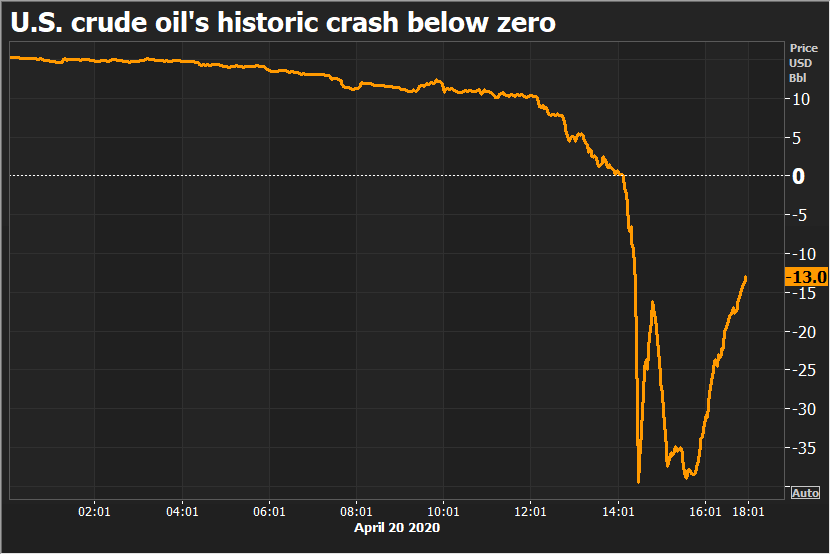
Being a producer of black gold in 2020 will be remembered as not the best time in the world, being the owner of an empty mine shaft on the other hand.... Oil traders have scoured the globe to find empty Scandinavian salt caves, to unused rail tankers to fill the glutted supply of unwanted crude.

In late April, Brent fell below zero from the mid-seventies in value of long-ago January, for the first time in history, causing an interesting phenomenon of a contango. As the spot price fell below zero, future prices overtook in value. Traders had the unique ability to buy and sell back deliveries on the futures market at a reasonable profit complimenting an additional surge in storage demand.

Cheap oil has the incentive of attracting a quicker rebound to the global economy. However, this comes with its downside when too low. OPEC is seen sometimes as a group of spoilt children, fighting over the lion’s share of production. But it plays an important stabilisation role of its members economies. Rural communities in Nigeria are highly dependant on the sale of oil as a source of income, as are most mid-African and middle eastern nations. However, with values not expected to go up anytime soon to break-even levels, civil unrest will be highly probable, even with OPEC cuts.

It would not be a far stretch to think additionally the oil crash was not intentional. It is well versed the Russian-Saudi annoyance towards the young shale and fracking industry in the US, which commands a higher break-even price and is not state supported, thus leaving room to quickly shock the unprotected industry, before slowing the pumps.


Closing remarks with a Gothic upswing

There will be a lot more debt in society, and a stronger desire of companies to look at resilience before efficiency, as a global supply chain can only be efficient if effective.

The rewiring of supply chains away from the inter-dependence of global health will be a major step, already in process. The epidemic in some ways may have triggered an inevitability, as US-China trade tensions from 2019 linger on and the crumbling of the EU collective continues its course.

It would not be a far reaching thought to see a pre Great Depression scenario, whereby the cost of goods and services increases, as well as barriers to entry for international trade, through taxes and tariffs for the protection of home industry. This will deeply stimulate cost push and demand pull inflation. Though, with the technological overview to monitor the economy and global cooperative approaches in the 21st century, it could create a balancing in the distribution of wealth to domestic economies, to the lower income earners. This would occur, as new employment is created locally and low skilled labour is required, leading to social policies winning greater favour in local government institutions, perhaps in the mid-term to incentivise the demand for labour.

Wednesday, 27 August 2014

The Scottish Currency and Putin Economics

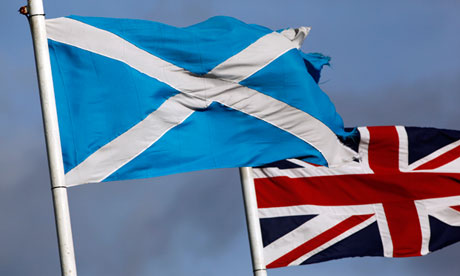
The week beginning was marked with Russia forcing aid into rebel held eastern Ukraine and the Second debate on Scottish independence from the United Kingdom.

Alex Salmond a bachelor of Economics and History, that went on to be leader of the Scottish National Party went against former Chancellor of the Exchequer Alistair Darling in a Televised debate on Monday night.

The debate, was a battle of words, with no answers for many on analysing and interpreting the outcome of Scotland's economy. The major being the currency. Alex Salmond fended off the question, though to many researchers and analysts the answer is a separate diluted currency. With this answer assumed as the most logical for an independent Scottish economy to function, let a alone work, the creation of a currency is inevitable.


The major issue en-laced within the UK government's need is that all UK debt is embedded in valuations of assets, such as assets in Scotland. This would in turn affect the borrowing capabilities and pricing for the remainder of the UK. Though the same would be for Scotland, the Scottish economy would have undertake its share of the debt produced from toxic assets incurred within the financial crisis. This in itself will cause capital flight to likely occur.


How to get the debt from Scotland is more of a major issue that the UK has to figure out, and will markets react to an unsound Scottish balance of payments book? With the quick decision making of the financial markets, and how to justify the information, the risk is acute.


Russia's economy is set for a strong downturn with the economic sanctions taking a deep toll on the balance of payments. Vladimir's game strategy back in march, was very successful as the economic sanctions over Russian influence on Crimea would have lifted and Russian territory would have expanded. It was a great strategic move as the markets saw their financial power see no change in the political strategy of the Kremlin. Though we are nearing September, and long term sanctions are not favourable. Even for a low rouble.


Though with low economic growth for Russia, will it be likely that Putin, takes a more aggressive stance in the Ukraine Crisis? After heightening the tensions with Kiev after sending a large convoy of "Aid" supplies into the rebel stronghold, Russian provocation of the west is becoming less forward strategy.Though a lot of moves made by the Russian premier in March were new out of the rule book.

Looking at the soft and hard currency position. Many companies from and working within Russia,are finding it next to impossible for day to day transactions to be conducted in the Russian Rouble. The oil and gas sector is heavily dependant on outside technology and skills, a major area the economic sanctions are effecting. Companies such as BP who own a major majority of Rosneft(Russian national oil company), are left being unable to transfer income to the UK subsidiaries or supply their projects.

From an investing point of view for game strategy, the likelihood of an escalation occurring even more is inapt. Conciliation of Russia and Ukraine, in order for the easing of economic sanctions is greater probability. However with multiple fields of major medical, civil and political unrest around the continental plate, there is greater chance of the less probable decision occurring, as with widespread risk, there is a greater prospect to get away with more.

Stormy seas ahead G.E.


Thursday, 1 August 2013

Central Banking 2014 Upgrades & Arab Uprising Part II

Good evening to all

The month of July has been rather amusing in market volatility and global economic indicators balancing out each other, mixed in with the typical political cocktail of civil unrest.


ECB and Bank of England Harmony

 With the markets losing some of the power and confidence in tactic decision making, today they looked to the words of Mark Carney (Bank of England) and Mario Draghi (ECB). The Outlook of both and interest rate decision remained unchanged, though new weapons such as market guidance are becoming more weighted on market volatility.

A Central bank’s words are one the most secretly kept letters before an announcement, as these words are the recurring power mover of any market. Previously a central bank would never try to give their opinion on forward assumptions of market growth, though the new Bank of England governor changed the norm.  So these words are now a typical aspect for market makers to expect in the medium term.


Liberalisation of the ECB was also in discussion; the idea of releasing the minutes of the ECB, could be seen as a more accurate way of the market valuing the future. Though in the Gothic economist’s opinion this will only produce more wild fire, and take less value of the central bank’s overall decision.

Vertigo Markets

So with the last month being pinned to fallout part 2, of the financial crisis shows that the wounds slowly are healing, for now... The patient is still in intensive care.

The redbull juice of quantitative easing, unfortunately could be working. Grumbles for the Gothic economist, as his positive monetarist views against Keynesian borrowing malarkey as being the devils work could succeed, as the S&P climbed today. However... These growth patterns with an over capitalised market, may bring future worries, to the mix.

Today the US market saw growth patterns that had not been seen since 2011, amongst these positive movements, there has also been frailness at the midpoint, due to fears of reduced growth within in china and liquidity worries for domestic and medium sized businesses.


The Brent crude benchmark has been on rapid brinks of decline and ascension. The Chinese downturn in GDP forecast, and the US growth results have been players on this. Since July continuing into August has seen many Middle Eastern civil problems affect oil output, and with US sanctions on cutting Iranian oil exports have been also implemented this week. Hence this fall going into the winter season for the northern hemisphere could see prices above $112 a barrel.

Positives that can be seen are controlled inflation position within Europe and US, also boosted exports in some of the sovereignly constrained Euro zone countries.

Burn Baby Burn


The Middle East and North African political process is still far from maturing in stability. With Nigerian tensions, the Egyptian political problem and summer maintenance schedules, the fall could haunt the price yet.
Libya has been flooded with protests and shut down of its ports, leaving the OPEC state with no oil and in some cased more than 50% fall in refining, giving August and September contracts a rise.

The markets could possibly become more active in their discontent with the Arab uprising, as foreign direct investment thoughts to Africa becomes less desirable.

The biggest problem is that due to these cuts in production, you cannot stop oil extraction straight away, so all you can do is flare. The burning of fuel in some parts of Africa have forecast to total over $100m a month, and with Flaring already being a major issue within Northern Canada, more investment and maintenance is demanded within the Oil & natural gas sector.

This week saw oil spills in Thailand, Nigeria and evidence of manufacturing faults with an Exxon pipeline in Canada. Enough said on future prices and environmental damage.


Closing Black Words

The energy sector will continue to climb, as middle east tensions are predicted to continue , if  US continues to give out low unemployment data and growth support. Though this highly unlikely, and in the fall, markets will become more volatile, as the deadline for the US borrowing limit comes closer.

Buy while you still can...


Monday, 1 July 2013

Bad US timing in Africa as Resource war is in full swing

As Obama makes his first real appearance in Africa, has he come far too late? As the president touched down in South Africa, he was greeted with more welcoming protests than the warmth he may have encountered on his trip to the G8 summit in Northern Ireland.


Africa itself is the new Jewel in the eye of slowing down major economies in the northern Hemisphere and where strategic economics may now work with African ways of life, which was unheard of back in the 80s-90s. Holding vast realms of natural resources and economies egger to grow, China has been making the most progress out of all nations, though has also been finding out, that Africa is not always easily bought and tapped.

Late jump from the gate

The Current Obama administration did not make an appearance in its last term, and through this the US has been living off the success of the Clinton administration’s duty free policy on African goods and the Bush administration’s poverty donations, though there is still nothing yet from Obama.

As he was escorted through Cape town in his usual armed battalion, including the support of the South African’s catalogue of Gorilla proof Jeeps, the president had come at a time of when millions of the continent’s inhabitants prepared for the mourning of Nelson Mandela, as well the general view of that Barak Obama “Another US President”. This comes from the Geo political position most south Africans see Mr Obama lying in. From the Libya Crisis and toppling of the Gaddafi regime last year, the involvement of more US drone aircraft in Africa and the current interactions and geopolitical moving in Syria.

Contractual ease by China

China has been conducting much more investment, as it saw the emptiness of foreign competition implementing strategy on the continent. China is finding it easy business doing deals in Africa, as a pragmatic position is taken for politics. There are no political improvements linked to any investment deal which may include a more stable government as some nations saw with previous western deals, giving much better political face to china.

Also with weak colonial might at the moment, no one is in the position to lecture China on its resource and foreign investment policies at this current time. Also with the increase of inflation in China, it is only be a matter of time until manufacturing is transferred overseas to Africa in order to reduce production costs.

Though making deals with Zimbabwe and Sudan hasn’t helped other sides of Chinese interests and shows more importance to business relationships than China’s social responsibility.

DIY Africa
The main issues with Africa are usually down to a few big factors where one or more is active:
  • Political Corruption
  • Civil Unrest
  • Inadequate Infrastructure
The oil industry is probably the wisest of the high risks from African operations. Companies such as BP and Exxon Mobil have dealt with losing oil wells due to political tensions, such as in Somalia; workers being captured and ransomed off and the sabotage from local greed and jealousy, which is the most interesting one in my opinion.

In Nigeria a local communities jealousy over another that has a well contract from an oil firm, will usually result in pipes being cut, or well heads being set ablaze. The market for D grade black market oil is then created through tribal gangs stealing the unrefined liquid and in the meantime the environment being damaged. With Nigeria cultures you are taught not to share or help, so other communities do not work together. The only cooperative relationship that usually occurs is when cleaning companies pay gangs to destroy wells in order to get cleaning contracts.

Energy shortages are also a major issue. Known for its mass ownership of electric generators, Africa’s civil infrastructure is in desperate need of being created.

The Future


There are certain countries such as South Africa and Angola which provide a forward vision for the Continent, with maybe only one of the three issues being faced.

As the US ranks third as trading partner to the continent, it will be rather soon that more foreign direct investment moves swiftly in. This is also contributed to the the reduction in global market liquidity seen in the past weeks, on the basis of changing Central banking monetary policy (mostly from the US) and the predicted slowdown in emerging markets. Africa due to its minerals has not experienced a reduction in investment hunger so much and with still a very large gap in market capacity across the board of sectors from resource extraction to government development projects, whilst the northern boundary has the rope pulled tighter, the centre realms of the equator look promising, just how much for Africa and more so, how will the economic transition process effect Political engineering and efficiency? This issue brought up when Libya was still continuing in conflict.
 
Tata
G.E.

Thursday, 9 May 2013

Wealth management stays strong, Shale keeps on fracking and France feels the heat...

Tax Privacy lies no more

The continuing transition of banking secrecy becoming more open, continued last week, as Luxembourg, the British territory of Bermuda and Chiefs of Uni Credit began a mixture of transitioning towards a mixture of openness towards taxation figures, and bank balances.

The Austrian chancellor though is going one step further. He has been given approval to negotiate with the US a tax centred upon foreign bank account holdings. More centered towards account holders in the US, it will most likely be a two part situation for EU member states also. Austria is also signing up with the US to a mutual administrative assistance in regards to tax matters.

The movement is a combination of pressures implemented from the EU and US. Allowing for tracking of financial intermediaries that can involved in a rouge transactions, to increasing the strain on beating tax avoidance. Obviously a growing concern for large investors, though that hasn't put them off too much...


Regardless of this big shake up, wealth management and private banking are still on the rise. The likes of Goldman Sachs and JP Morgan are preferring to have a stickier type of deposit holder, where reserves are less volatile than those entwined within their investment arms.

As all these changes for reform, glide out of the former Habsburg empire, from neighbouring italy Tax evasion scandels for Mr Belesconi as he loses his appeal for a zero four-year jail sentance, for his punishments for tax evasion. FT article

Black Clovers

Ireland has now been recognized for offshore exploits to a once ignored segment of the Eurasian plate. This will hopefully bring a few more receipts into the stagnant Irish economy, though still striving as the only euro-zone member, that is currently able to repay its debts to creditors and the ECB.

Whilst the ocean floor is being discovered off the west coast of Kerry, in the US, commercial competitive rates of liquefied natural gas have raised hopes for the department of Energy, as the mining of shale has unlocked vast amounts of the fuel source. So much that the US is on high prospects to be net exporter by 2020.

The new energy boom is acting as a boost to the US recovery, as will eventually be reflected within the future months whilst the Brent Crude price fluctuates  The oil price staying firm on still low growth forecasts, and possibly more so into the end of 2013, that the US's energy chat moves further away from coal and oil, in the hope to reduce CO2 emissions and increase its strategic dominance, by becoming less energy dependent.

French woes

Last Friday marked 25 years of the Franco-German relationship within the council of financial and economic affairs. Though a Francois Hollande has certainly realized he and his government may have really played with fire, in relation to their bullish comments amongst other EU nations over the previous weeks.

With taking advantage of trade woes with UK & China, and insulting government figures in Germany, it is only obvious for Mr Hollande to possibly expect a more uncooperative relationship, in regards to their views against the Germans and their strong Hayek position. As well he also needs to manage a healthy cabinet reshuffle.

Protectionism and National independence is becoming more an issue, and with the organisations, such as the WTO, being in a crisis, slowly taxes and tarrifs may comeback into being. Though it is more likely that free-trade-areas and economic zones will continue to exist, just with larger import/export costs.


Thursday, 21 March 2013

The Euro and Europe , Which will last?

A good day to all.
The debauchery of this week foretells the story of a possible burn up in the re-entering of the euro into uncharted waters. The UK government delvers its budget and Iraq is seen as the place not to do oil business. Also old news, we have new executive pope for the Vatican bank.


The Drop Ultimatum 

Cyprus has now joined the PIIGS (Porturagal, Ireland, Italy, Greece and Spain), to become the sixth country to need emergency funds to support its crumbling financial system. Germany is leaving the terms melt into Cyprus for time being as the emergency funds run low. German pins lay sealed against the collars of the ECB & IMF as no room is left for breathing.

The idea of a leaving of the Euro is more likely than maybe dear readers may imagine... Cyprus is in a few good corners for this to work. Firstly it is a small country and second Russia is a big backer in Cypriot infrastructure, though the last thing the oligarchs want is their back-door into the EU being lost. Still it seems that the church, being the largest landowner in Cyprus has agreed to help out the Cypriot government. At the same time Cyprus losing it's trading advantage from having the increased cost of currency exchange transactions will not be a pleasant move.

Cyprus wants to stay part of the euro, though the only current options at its disposal are to take a percentage of deposit holders reserves, which by far will fuel a bank run. Or try and lipo out any money that is in the economy. This evening from the democratic side of the government, mentioned the ability to raise at least funds from the nationalisation of the state pension scheme, though this is not reassurance to safety. Neither in the same interview conducted on Monday's BBC 'Newsnight' program that they are also looking at a Euro zone exit and going back to the Cyprus pound.

The stickier ends of Black Gold

Ten years after the invasion of Iraq by British and US forces, there have been many rumours that it was not for weapons of mass destruction but for the sweet blood of the world that everyone is desperate for. Well the truth of ten years on Iraq can possibly be one of the worst places to buy a lease to drill.
FT interactive map of Iraq Oil ten years on

Iraq has only seen production levels hit similar sums before the war. a few years ago oil firms were running to buy up leases, but with the low margins and excessive problems with payments by government, bad infrastructure and continuing unrest, many have chosen to pull out.

In the other view it has shown that iraq is unafraid of playing hardball over its resources and despite what many think. Iraq is incharge of its oil and many would rather face other countries beaucreacy than Iraq's.

The Endpoint

So time for the monthly forecast from Mr Gothic Economist...

http://youtu.be/-LSxpxjMQ9c?t=1m5s (a bit of music for the mood)

We may see the first ever exit of a country from the euro-zone. It could be a marvellous move, or spell continuing economic black areas for the euro. My guess is with the tiredness of Germany and it's direct position on Cyprus, the currency exit looks very possible.

Negative growth is forecast for the next two months of the year with a continuing rise in inflation and maybe an increase interest rates soon to combat this, regardless of what Mark Carney (New bank of England head) is known for. It would be a bold move; maybe bold enough to reduce the ongoing increase in the cost of living.

A continued increase in the cost of the barrel of oil. Barak Obama may have visited the middle east to cool tensions, but the only thing that is possible from that is stagnation as the best outcome.

And the new Argentinian pope will keep on watching & Playing from the Vatican Bank.

Good Evening!
http://www.youtube.com/watch?v=F0PLZzi2JJo

Wednesday, 26 September 2012

The Arctic, Russia and the West

The Arctic, the final frontier and one of the most unexplored regions for oil; it has stayed very unexplored for a reason. Shell this week announced their suspension of their drilling, this included France's Total. Combined spending of these two companies within the region is estimated at approximately $7-9Bn. This has occurred due to countless safety problems and the high guarantee of not being able to contain a spill if occurred. ENI and Exxon Mobil though still have their hands hooked into the exploration of the Russian Arctic, but progress has yet to be made, or is it really Russia's Arctic?

Countless disputes between Norway and Russia over the northern territory have continued, leading more secondary companies to conduct their northern drilling explorations from Greenland, yet progress is still yet to be made, one of the suffers of $1Bn yet to make a comeback is Cairn Energy. Russia may though, as well as BP be drawing a quick line under their exploration problems, if the long battle zone of TNK-BP joint venture can be settled.Therefore rebidding of Rosneft (Russia's state oil company) can start again, bringing BP back into the Strategic oil club, and more importantly growing in size since it's asset sale to cover it's remaining Gulf of Mexico disaster repayments.

If the deal with Rosneft is completed soon, BP could quickly become the largest licensed drilling holder within the Arctic. The company is known to be at the front of hard drilling conditions, but also for their failure to operate safely. If BP through the help of Rosneft throws $12Bn give or take, with their newest Arctic technology, they could become successful in domineering the one fifth of the worlds, untapped oil resources.
The company is now finalising the selling of two refineries in the US, leaving it desperate to grow more. Taking a more primary/tertiary model of growth, will be beneficial for the company, though refining oil is turning into a more profitable area of the oil sector. Many new companies are entering this market such as Marathon Petroleum and buying refineries of the likes of BP.

If success is seen in Russia, the strategic energy chart will be weighed more heavily towards the old bears, as the unrest within North Africa and the Middle East continues. Though the slowdown in economic growth has, allowed for the demand price of oil to drop to lows of $108.00 bbl, showing that as much as oil production risk may have increased, the demand has dropped. Though I think it is safe to assume that OPEC will drop supply if it decreases "too much".

Another attack from Europe is occurring. Just before this winter the EU began a probe into GazProm (Russia's state gas company) for it's price fixing to Europe, but more on that in the next entry.
Tata GE


Monday, 21 November 2011

Middle East, Democracy and Civil Unrest

If you had to think of a chess match of strategic economics, this would be it.

In chess you have to be as many steps ahead of the opponent as possible, so that the main outcome is to bait your challenger into thinking that he can see your next move. The same can be said in the real world and this could be the playing game with the middle east.

Democracy is one of the stages in the building-blocs to becoming a more advanced country, but the trick is to know when that should be done, otherwise your country could stall or even worse be at the mercy of strategic interplay whether it be economics or geo-politics.

What better way to give an excuse to allow for more foreign intervention than to allow the people in the country, to remove the autocratic government and then have the temporary elected government become corrupt. This is the case in Egypt, this week the military government took action against protesting on the main Cairo square. This resulted in deaths, showing the new Egypt as unstable, allowing for more international pressure to be put on the OPEC state.

Libya at the moment is in a good position, the current governing body seems to have a good strategy to the recovery of the country and implementing democracy in the short medium-term. Also there is an equal amount of cooperation happening in Libya between the government and public, as they give ease and criticism to the transition. Libya was also one of the most developed African countries, thus for the democracy transition, it was inevitably going to be easier. Nonetheless they still had a civil war occur and bombing with NATO (though I think this was in tern for economic aid transaction for the future).


Syria remains highly unstable and also could show a more dangerous side of strategic economics... Allow the country to internally remove itself, where the remaining controller still has a wielding power. This is cost effectiveness for any country which sees a strategic advantage whether be in implementing a new government  strategy or for fundamental resources such as geographic dominance or natural resources for the example. Also external countries have less a reason to enter Syria as it's resource return is low and the public are not that cooperative.

I will continue more tomorrow on this topic, though I just spotted an announcement on 'Moody's' rating agency, which has the French AAA credit rating under view. This is just primarily down to market speculation, as we all know whether it be fundamental behavioural theory or strategic economics, the market is always proactive, though never as rational as a monkey.
Tata

Friday, 18 November 2011

2025...The period for nuclear & renewable energy

I'm taking a mini break from the EU as the Financial Times this week has been reporting on the nuclear debate going on around the world currently, after the Japanese earthquake produced our second largest nuclear energy industrial incident. Not only that I was also invited to attend an ecological economics speech yesterday where nuclear was condemned (as well as positive economics & monetarism which is really two my economic areas). So I thought about giving my opinion, mixed in with scientific facts.

We cannot smell it, feel it; though we breath it in, it tans our skin, it's in the food we eat; it is there and that is what radiation is, the invisible particles of life. It has been there all our lives, from the sun, the earth, from atomic testing to the medical industry, but why are we scared of it?

My main three points about why people are against anything with the elements, are nuclear waste and nuclear destruction, be it weapons or meltdown. Though I feel a lot of the science is left unspoken, and facts can be larger than words, so here I go at trying to balance out the atomic debate with some economics as well.

The Science
Background radiation is everywhere and the biggest contributor is Radon, which comes from decaying elements in rocks within the earth's crust. Radon is approx 50% of background radiation and gamma and beta from the same decaying in the ground is 14%. 12 % is internal, what this means is we are technically radioactive as we have carbon -14 inside us, not only that, but what we eat has C-14, radioactive potassium as well as other radioactive elements inside. The next is the Cosmic, that's 10% contributed by space.
So...we have approximately 86% of radiation today being non-man made.

Man Made Radiation
The biggest man-made contributor of radiation is the medical industry...12%.
Air travel contributes 0.4%, fallout 0.4% occupational 0.2% and nuclear waste <0.1 %. This is all by the way up to present day factual numbers, from the UN, NAEA.

The Dangers
I really hate going into this topic as it is very sensitive for me on both sides valuing any loss in life is worrying area for me, but sometimes it has to be shown.
There have been many more and troubling disasters outside nuclear energy, the nuclear medical industry and other areas are much more worrying, here are examples:
http://en.wikipedia.org/wiki/List_of_civilian_radiation_accidents
My point here is that medical contributes more to background radiation, though we don't scrutinise x-rays, cat scans or cancer treatment?
And the horrible summary is that I have seen what oil has done to some poorest areas of the planet pollution wise in real life. We don't want to see it, smell it, touch it though we are addicted, that is what oil is for modern society and how many people have died due to it?

The Economics
My main concern is Germany's promise to scrap nuclear reactors by 2020. The funny thing is, to make up for that loss in nuclear, you have to build more coal fire power stations, which actually give out more radiation than a nuclear power station as well as carbon dioxide which then in turn goes in global warming. They are creating more wind farms and other renewable sources, but the energy production of wind turbine is so small, compared to energy demanded, it is an unrealistic approach and is very expensive contributor to the rise also in energy companies increasing their bills, as well as the price of oil being more susceptible to shocks and increasing due to demand and supply.
People right now and in future years cannot afford this until technology in the renewable sector improves and governments can afford to run deficits.

Conclusion
My goal is not to say we should be Nuclear forever, but when you have depleting highly demanded natural resources. A society which is going through depleted income, that will eventually have to pay more continuously for energy. A time where new nations demand more energy, and geopolitics becomes more powerful... To look away from Nuclear is really a scary mistake I feel.

Renewable energy is the future beyond a doubt, within 5-10 years we most likely will have fusion near perfected for power generation testing, and wind energy being actually cheap in a competitive market. That is where the future lies, but to jump on the green band wagon completely does not make sense from an environmental and economic point of view.